


What to Expect During a Home Inspection - Home Inspection Process Guide
- philipmadamson
- Aug 22
- 4 min read
Buying or selling a home is a significant milestone, and one of the most important steps in this journey is the home inspection. It can feel a bit overwhelming if you’re not sure what to expect. We want to walk you through the home inspection process so you feel confident and prepared. Understanding what happens during an inspection helps you make smart decisions and avoid surprises.
Understanding the Home Inspection Process Guide
A home inspection is a thorough examination of a property’s condition, conducted by a licensed professional. The goal is to identify any issues that might affect the home’s safety, functionality, or value. This process typically takes a few hours and covers many parts of the house, from the roof to the foundation.
During the inspection, the inspector will look at:
Structural components like foundation, walls, ceilings, and floors
Roofing and gutters
Plumbing and electrical systems
Heating, ventilation, and air conditioning (HVAC)
Appliances and fixtures
Exterior elements such as siding, windows, and doors
The inspector will take notes and photos to document their findings. Afterward, you’ll receive a detailed report that explains any problems and suggests repairs or further evaluations.
What Happens During the Inspection?
When the inspection day arrives, it’s helpful to be present if possible. Walking through the home with the inspector allows you to ask questions and get a clearer understanding of any concerns. The inspector will move systematically through the house, checking each area carefully.
Here’s a typical flow of the inspection:
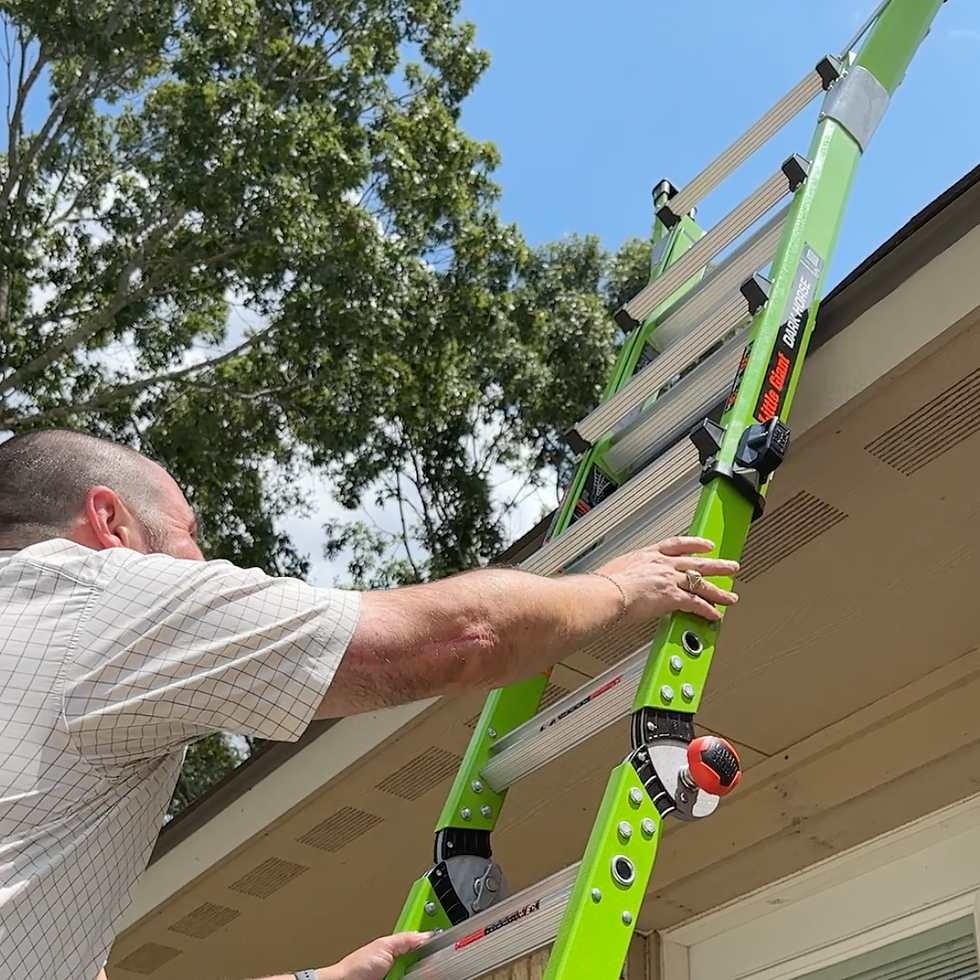
Exterior Inspection - The inspector starts outside, checking the foundation, walls, roof, gutters, and drainage. They look for cracks, water damage, or signs of wear.
Interior Inspection - Inside, they examine walls, ceilings, floors, windows, and doors. They test electrical outlets, switches, and plumbing fixtures.
Attic - These areas are critical for spotting moisture problems, insulation issues, or structural concerns.
Systems Check - The inspector tests the HVAC system, water heater, and major appliances if included.
Final Walkthrough - They summarize their findings and may point out maintenance tips or safety hazards.
The process is detailed but straightforward. The inspector’s goal is to give you a clear picture of the home’s condition so you can make informed decisions.
Common Issues Found During Home Inspections
It’s normal to feel a bit anxious about what the inspector might find. Most homes have some minor issues, and that’s okay. Knowing the common problems can help you prepare and understand the report better.
Some typical issues include:
Roof wear and tear - Missing shingles or aging materials
Plumbing leaks - Drips under sinks or slow drains
Electrical concerns - Outdated wiring or non-functioning outlets
HVAC maintenance needs - Dirty filters or inefficient systems
Foundation cracks - Small hairline cracks that may need monitoring
Water damage - Signs of moisture in ceilings or attics
Many of these problems are fixable and don’t necessarily mean the home is a bad investment. The inspection report will help you prioritize repairs and negotiate with the seller if needed.

How to Use the Inspection Report Effectively
Once you receive the inspection report, take your time reviewing it. The report is your guide to understanding the home’s condition and planning next steps. Here are some tips for making the most of it:
Focus on safety and major repairs first - Issues like electrical hazards or structural damage should be addressed promptly.
Ask questions - If anything is unclear, don’t hesitate to reach out to the inspector for clarification.
Get repair estimates - For significant problems, consider getting quotes from contractors to understand costs. Your agents is a great resource for this!
Negotiate with confidence - Use the report to discuss repairs or price adjustments with the seller. Use your agents expertise in this area as well!
Plan for maintenance - Some findings may not require immediate action but should be monitored over time.
Remember, the inspection is a tool to help you make a smart investment. It’s not about finding a perfect home but about knowing what you’re getting into.
Preparing Your Home for the Inspection Process
To make the inspection go smoothly, if your home is being inspection, there are a few things you can do beforehand:
Clear access to key areas - Make sure the inspector can easily reach the attic, basement, electrical panels, and HVAC units.
Turn on utilities - Water, electricity, and gas should be on so systems can be tested.
Provide documentation - If you have maintenance records or warranties, have them ready for the inspector.
By preparing, you help the inspector do a thorough job and get the most out of the process.
Moving Forward with Confidence
Understanding what to expect from a home inspection helps us approach this step with calm and clarity. It’s a valuable part of buying or selling a home that protects our investment and peace of mind. With a trusted inspector by our side, we can feel confident knowing we have a clear, reliable report to guide our decisions.
If you’re in Wharton, East Bernard, Wallis, Richmond, Rosenburg, or nearby, working with a local, experienced home inspector ensures you get personalized service tailored to our area’s unique homes. This knowledge helps us avoid surprises and move forward with confidence in our home journey.


Comments